Posts

Showing posts with the label Biotechnology

Understanding the Science Behind Human Recombinant Insulin: A Breakthrough in Diabetes Treatment
Image
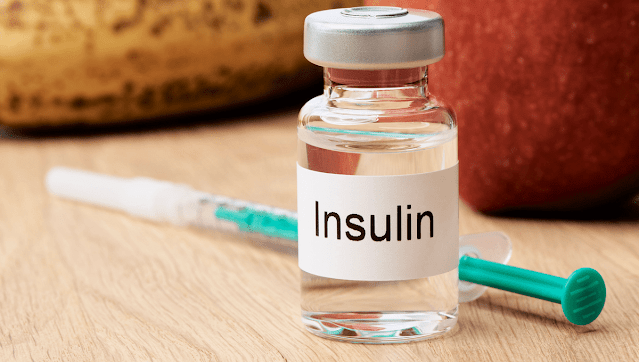
  Human Recombinant Insulin Human Recombinant Insulin, a groundbreaking development in diabetes treatment, holds immense significance in understanding the underlying science behind it. Historically, insulin was sourced from animal pancreases, which often caused allergic reactions and supply limitations. However, with the advent of human recombinant insulin, the landscape of diabetes management has transformed. Human Recombinant Insulin is produced through genetic engineering techniques, where the human insulin gene is inserted into bacteria or yeast cells. These modified cells act as mini-factories, producing large quantities of insulin that are structurally identical to the hormone naturally found in humans. This process eliminates the need for animal-derived insulin and provides a safer and more reliable alternative for diabetic patients. This breakthrough not only improves the safety profile of insulin therapy but also allows for enhanced customization. Scientists can manip...

GMP Cell Banking Services provide cell preservation solutions by extending their shelf-life for future medical applications

Image
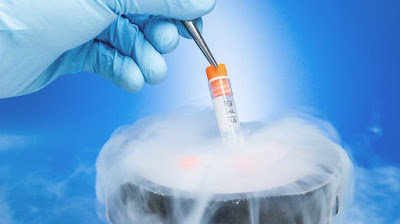
                                                                            GMP Cell Banking Services Market The process of GMP cell banking services is critical to drug development and manufacturing. There are a variety of ways to bank cells. The first step is to create a master cell bank (MCB). The MCB is important for early-stage research and scale-up manufacturing. A second step is to expand the WCB to be used in everyday laboratory practices. The two-tiered system is critical for achieving the highest levels of production of therapeutic-producing cells and is an industry standard. Another advantage of GMP cell banking services is that the quality and quantity of cells are guaranteed. This service is essential for biopharmaceutical companies and contract manufacturers. These companies partner wi...

Inactivated Polio and Rabies Vaccines; Stimulate the Immune System to Protect the Body from Infection

Image
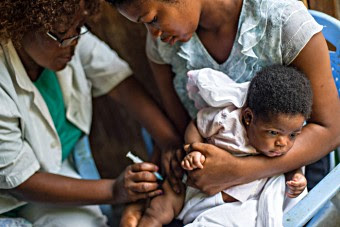
                                                                                            Inactivated Polio and Rabies Vaccines Inactivated polio and rabies vaccines are type of vaccines, which are produced by growing the micro-organism (viruses or bacteria) on the culture medium, inactivating during the process of making the vaccine. The components of the inactivated vaccine cannot replicate. Inactivated polio vaccine (IPV) is the only polio vaccine that has been given in the U.S. since 2000. IPV is given by shot in the leg or arm, depending on the patient's age. Centers for Disease Control and Prevention (CDC) recommends children to get 4 doses of polio vaccine. While, rabies vaccine is an inactivated vaccine prepared either in human diploid cell culture or...

Nanoengineered prosthetics have improved mechanical stability and durability and can be quickly integrated into the body without any hassle

Image
                                                                                                       Nanoengineered prosthetics Current research indicates that nanoengineered implants are better suited for biomedical applications. They have improved mechanical stability and durability and can be quickly integrated into the body. Additionally, they have improved hygiene and less toxicity. In addition, these new prosthetics are much more compatible with the human body. There are several advantages of nanoengineered implants. One of them is that they integrate seamlessly into the body and are highly compatible with its tissues and cells. They also have low toxicity and are easily absorbed by the body. They have an increased level of...

Isothermal Nucleic Acid Amplification Technology (INAAT) In Increasingly Becoming Popular As It Is Used For A Range Of Diagnostic Applications

Image
                                                                                      Isothermal Nucleic Acid Amplification Technology Isothermal amplification methods offer several advantages over other technologies. They are inexpensive, have a high efficiency and can be automated. Their speed is another advantage, however, speed isn't always a benefit. For example, PCR uses a low-cost dye to detect amplification products, which may not be suitable for some applications. Moreover, isothermal techniques are less expensive and may require fewer samples. Isothermal nucleic acid amplification technology (INAAT) can detect pathogens in environmental, clinical, and food samples. As a result, they are ideal for diagnostic purposes, such as infection detection. Recent studies ...

Nanobodies are commonly used in clinical trials of novel therapies owing to their chemically-interactive nature with other antibodies

Image
                                                                                                                        Nanobodies A single-domain antibody is called a "nanobody." Single-domain antibodies have one monomeric variable antibody domain and can bind specifically to a specific antigen. They are very useful in the treatment of various immune system disorders. Nanobodies are single-domain antibodies derived from llamas. Their robust structure and small size make them ideal for drug development and research. They are highly specific and have a high affinity for a single target. Their specificity and low immunogenicity make them a promising tool for drug discovery. However, nanobodies ...

Cell cryopreservation involves the use of solvents to preserve cell membranes for a longer period of time and avoid contamination

Image
                                                                                                               Cell cryopreservation The goal of cell cryopreservation is to preserve biological samples at a cryogenic temperature while maintaining the fine structure of the cells. This process involves adding agents to the suspension that alter their freezing behavior. The agents can change the rates of water transport and nucleation or ice crystal growth. These factors can be crucial in understanding the physiology and pathology of biological specimens. Cell cryopreservation is a process that preserves the integrity of biological materials. It is used in stem cell transplants, which allow scientists to obtain high...

Recombinant Protein Is Encoded By Recombinant DNA, Which Is Cloned In A System Supporting Expression Of The Gene And Translation Of Messenger RNA

Image
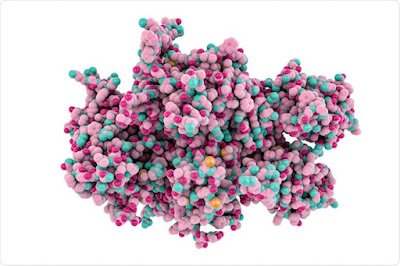
                                                                                                                 Recombinant Protein The first development of recombinant protein occurred in 1973. This discovery laid the groundwork for regenerating new genes within a host cell. This resulted in several developments in medical technology. Recombinant proteins are produced using the techniques of biotechnology. The most common platform for recombinant protein production is Escherichia coli, a well-established cell factory and a common expression platform. The technology behind this system is very versatile and has led to the development of a wide range of engineered strains, molecular tools, and cultivation s...